


When Professional Odour Removal Is Worth It

A room can look clean and still feel unpleasant the moment someone walks in. That is what makes persistent odors so frustrating for homeowners, tenants, landlords, and office managers. Professional odour removal is designed to deal with the cause of the smell, not simply cover it with fragrance for a few hours.
Whether the issue is pet accidents in carpet, cooking residue in a rental unit, damp fabric furnishings, cigarette smoke, or a musty office, the right response depends on where the odor has settled and what created it. A reliable cleaning team assesses the affected surfaces, uses appropriate treatment methods, and works toward a result that feels genuinely clean and comfortable.
Why lingering odors are harder than they seem
Odors are often a sign that particles, moisture, bacteria, oils, or residue remain in a surface. Air fresheners can make a room smell stronger or sweeter, but they rarely remove the material producing the problem. When the fragrance fades, the original odor can return.
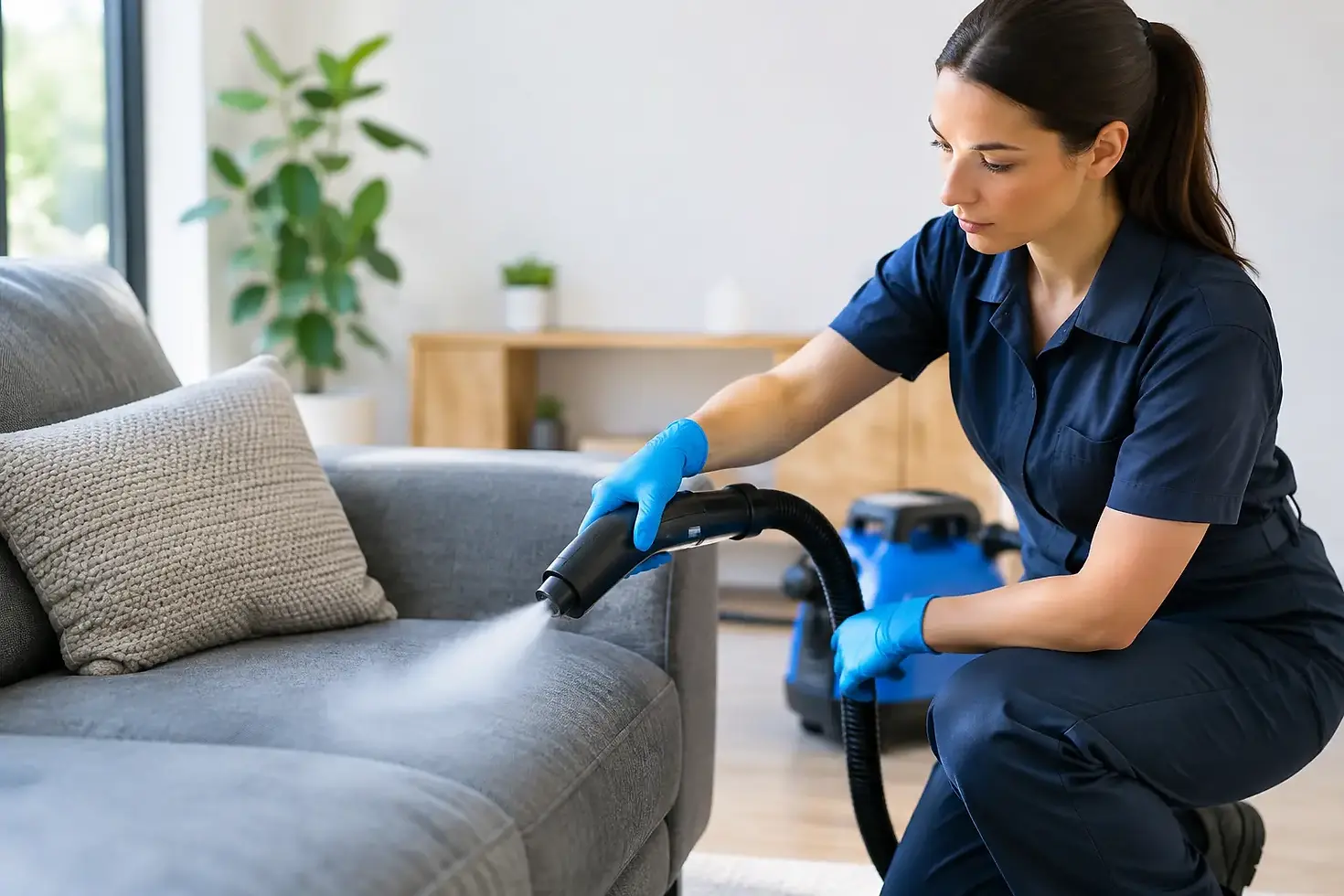
Soft and porous materials are usually the biggest challenge. Carpets, rugs, upholstered furniture, curtains, mattresses, and fabric office chairs can absorb odor-causing residue deep below the visible surface. In some cases, the odor may also be trapped in grout, flooring edges, cabinets, air-conditioning areas, or behind furniture that has not been moved during routine cleaning.
Humidity can make the issue more noticeable. In warm, humid conditions, dampness and organic residue may create a musty smell that becomes stronger when a room is closed for several hours. That is why a property can seem acceptable during a quick viewing, then smell unpleasant after the doors and windows have been shut.
When professional odour removal makes sense
A one-time smell from a forgotten food container is not always a specialist cleaning job. However, professional help is a practical choice when an odor keeps returning after normal cleaning, affects an important living or working space, or may influence a tenant, customer, guest, or employee's impression of the property.
Before moving in or handing back a property
Move-in and move-out cleaning often reveals smells that were hidden by occupied rooms, open windows, or furniture. Former cooking odors, pet smells, smoke residue, and damp carpets can make a property feel neglected even when it is otherwise tidy.
For landlords and property managers, this matters because odor can affect how quickly a unit is rented or sold. For tenants, it can be equally important when preparing a property for inspection. A detailed cleaning plan can address floors, carpets, kitchens, bathrooms, internal cabinets, and other areas where residue tends to build up.
After pet accidents or prolonged pet use
Pet odors require more than surface wiping, especially when urine has reached carpet backing, underlay, upholstery, or mattress materials. The visible mark may disappear while odor-causing residue remains below. Repeated accidents in the same area can make the problem more difficult to resolve.
A professional cleaner can identify affected zones and treat them with methods suitable for the material. The aim is not to leave a heavy perfume behind, but to reduce the source of the odor as thoroughly as the surface condition allows.
In offices and customer-facing businesses
Workplaces can develop odors gradually. Pantry spills, food stored in desks, fabric partitions, washroom moisture, old carpeting, and rarely moved furniture all contribute. Because employees spend hours in the space, they may become used to the smell while visitors notice it immediately.
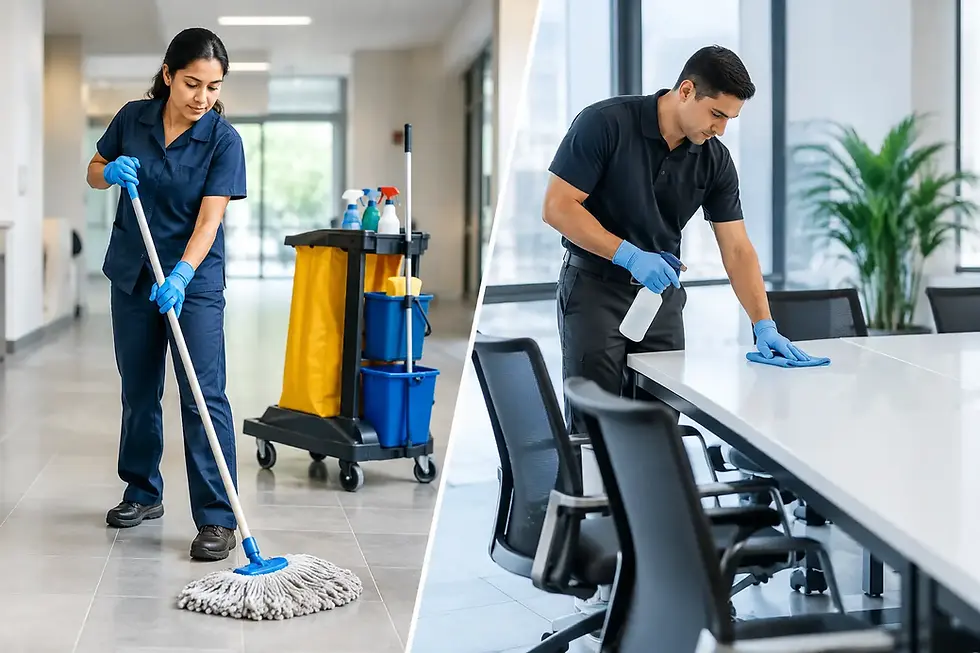
For offices, retail spaces, clinics, and shared facilities, odor control supports a better customer experience and a more comfortable environment for staff. It is particularly useful before an event, inspection, reopening, or client visit. Evening or weekend appointments can also reduce disruption to normal operations.
After smoke, cooking, or moisture exposure
Smoke and heavy cooking odors often cling to walls, cabinets, fabrics, windows, and ventilation-adjacent surfaces. Simply cleaning the floor may not make enough difference. A proper assessment helps determine whether deep cleaning of multiple surfaces is needed.
Moisture-related smells need careful attention too. Cleaning can improve surface hygiene and remove residue, but an active leak, water-damaged material, or unresolved mold issue must be repaired separately. No honest cleaning service should promise a permanent result while the source of moisture is still present.
What a professional treatment should involve
Effective odor removal starts with inspection. The cleaner needs to understand the likely source, how long the odor has been present, which materials are affected, and whether there is an ongoing issue such as a leak or repeated pet access. This prevents time being spent treating only the most noticeable area while the real source remains elsewhere.
Next comes targeted cleaning. Depending on the property, this may include deep carpet cleaning, upholstery cleaning, washing hard surfaces, cleaning kitchen grease, treating bathroom buildup, or addressing fabric window coverings. Different materials need different products and equipment. A treatment that is safe for tile may not be suitable for a delicate rug or upholstered chair.
Drying matters as much as cleaning. Carpets and upholstery that remain damp for too long can develop a new musty odor. Professional teams should use appropriate extraction methods, encourage ventilation where possible, and provide clear guidance about drying time and when the area can be used again.
Finally, expectations should be explained clearly. Many odors improve significantly after one service, especially when the source is limited and recent. Severe, old, or deeply absorbed odors may need more than one treatment, replacement of damaged materials, or property repairs before the issue can be fully resolved. Straight answers are more useful than unrealistic promises.
Choosing the right cleaning service
The lowest quote is not always the best value if it only covers a quick surface clean. Ask what areas will be inspected, whether carpet or upholstery treatment is included, how the team handles moisture-related odors, and what result is realistic for the condition of the property.
It is also worth choosing a company that can work around your schedule and communicate clearly before arrival. For a busy household, rental turnover, or operating business, confirmation messages, dependable arrival times, and flexible bookings reduce unnecessary stress.
Shine White Cleaning provides residential and commercial cleaning support for customers who need practical, visible results. A trained team can help identify the appropriate deep-cleaning approach for homes, rental properties, offices, and shared spaces, with scheduling options that fit busy routines.
Help the results last after cleaning
Once the affected area has been cleaned, the property needs a few sensible habits to stay fresh. Keep rooms ventilated when weather allows, deal with spills promptly, avoid leaving damp towels or laundry in closed areas, and arrange regular carpet or upholstery cleaning where pets, children, customers, or employees create frequent use.
For kitchens and offices, remove food waste regularly and clean inside appliances, cabinets, and refrigerators as part of ongoing maintenance. If a smell returns quickly, report it rather than repeatedly spraying fragrance. A returning odor often points to a source that needs closer attention.
A clean space should feel welcoming without needing to announce itself through perfume. When a lingering smell is affecting comfort, confidence, or the condition of a property, arranging a professional assessment is a straightforward way to move from masking the problem to dealing with it properly.


Comments